
Are Orchids Toxic to Cats and Dogs? A Guide for Pet Owners
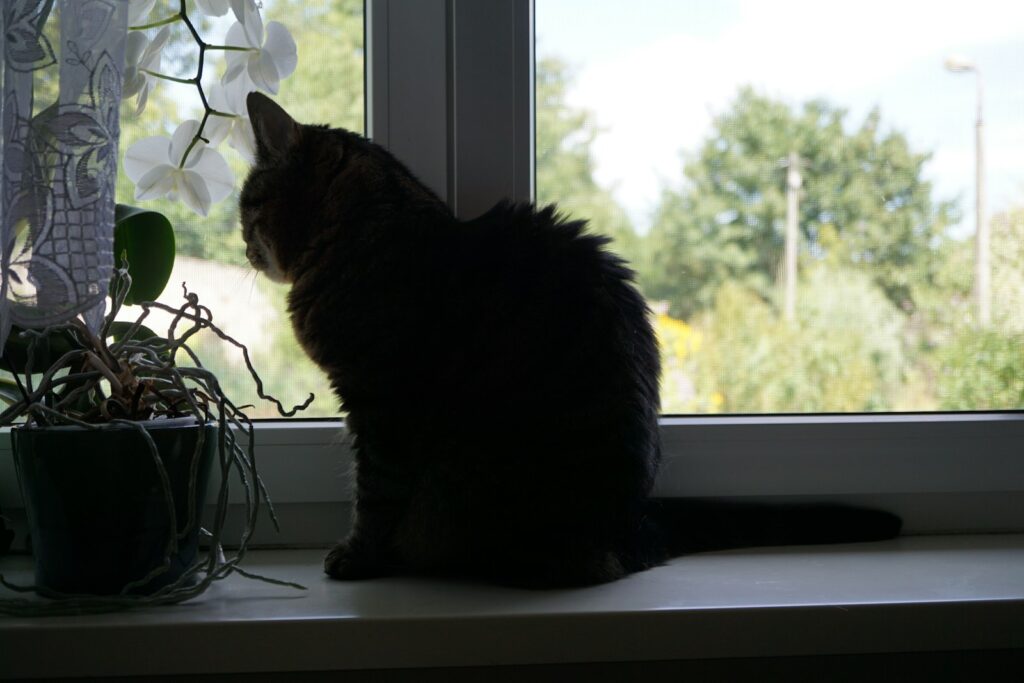
If you share your home with a curious cat or a dog who investigates everything, it’s natural to ask before bringing a new plant inside: are orchids toxic to cats and dogs? The good news is that the most common indoor orchid, the Phalaenopsis or moth orchid, is considered safe for pets.
Here’s what the evidence says, the few things pet owners should still watch out for, and some simple ways to keep your orchid and your four-legged family members out of each other’s way.
The short answer: Phalaenopsis orchids are non-toxic
The ASPCA (American Society for the Prevention of Cruelty to Animals) maintains one of the most widely used databases of toxic and non-toxic plants. It lists the Phalaenopsis orchid (also known as the moth orchid or moon orchid) as non-toxic to cats, dogs and horses. You can check the listing yourself in the ASPCA toxic and non-toxic plant database.
That matters because Phalaenopsis are by far the most common orchid sold for homes and gifts in Australia. If you have an orchid on your windowsill, there’s a very good chance it’s a Phalaenopsis. Every orchid we grow at Formosa is a Phalaenopsis.
Non-toxic doesn’t mean edible
“Non-toxic” means the plant doesn’t contain compounds known to poison pets. It doesn’t mean your cat or dog should snack on it. Cats and dogs aren’t built to digest much plant material, so chewing on orchid leaves or flowers can still cause mild, short-lived tummy upsets such as:
- vomiting
- drooling
- loose stools or diarrhoea
- a temporary loss of appetite
These symptoms usually pass on their own. And of course, a chewed orchid isn’t great news for the orchid either.
What about other types of orchids?
The orchid family is enormous, with tens of thousands of species. Many popular types, including Cymbidium, Dendrobium and Oncidium orchids, are also generally regarded as non-toxic to pets. A few less common orchids, such as some lady slipper types, may cause mild skin or mouth irritation. If you’re unsure what you have, look up the plant’s scientific name in the ASPCA database or ask your vet before leaving it within reach.
The real risks to watch for
With orchids, the plant itself is rarely the problem. The bigger risks for pets are usually what comes with it:
- Fertilisers and pesticides: orchid fertilisers, leaf shines and pest sprays can be harmful if licked or swallowed. Store them out of reach and let treated plants dry fully before pets are around.
- Orchid bark: dogs in particular love to dig. Swallowed chunks of bark can cause choking or an upset gut.
- Mixed bouquets: this is the big one for cat owners. Lilies are often added to mixed flower arrangements, and lilies are extremely dangerous to cats. Even small amounts of pollen or petals can cause kidney failure. Because our arrangements are made with Phalaenopsis orchids only, there are no lilies hiding in the mix.
- Falling pots: a cat leaping onto a shelf can knock over a pot. Choose a stable, weighted pot and a sturdy spot.
What to do if your pet eats part of an orchid
- Stay calm and gently remove any leftover plant material from your pet’s mouth.
- Work out what was eaten: the plant, the bark, or anything that may have been sprayed or fertilised.
- Offer fresh water and keep an eye on your pet for the next 24 hours.
- Call your vet if vomiting or diarrhoea continues, if your pet seems lethargic or unwell, or if they may have swallowed fertiliser, pesticide or bark.
If you’re ever unsure, contact your local vet or an after-hours emergency vet. It’s always better to check.
How to keep cats and dogs away from your orchids
Cats often chew plants out of boredom or curiosity, and a swaying orchid flower can look a lot like a toy. A few simple tricks help:
- Go up: place your orchid on a high shelf, mantel or plant stand that pets can’t easily reach. Just make sure it still gets bright, indirect light.
- Offer an alternative: a pot of cat grass gives cats something they’re allowed to chew.
- Use a deterrent: many cats dislike citrus. A few pieces of orange or lemon peel around (not on) the pot can help keep them away.
- Choose a heavy pot: a weighted outer pot is harder to tip over and makes digging less tempting for dogs.
- Keep the bark covered: a layer of larger decorative stones on top of the bark can discourage digging.
A thoughtful gift for pet lovers
Because Phalaenopsis are non-toxic and flower for months, they make a considerate gift for friends and family with pets, and far safer than a mixed bouquet that might contain lilies. Browse our white orchids, pink orchids or a custom orchid arrangement, all grown in our Brisbane nursery. Once it’s home, our Phalaenopsis orchid care guide will help it thrive.
Frequently asked questions
Are orchids poisonous to cats?
Phalaenopsis orchids are listed as non-toxic to cats. Eating them may cause a mild upset stomach, but they are not considered poisonous.
Are orchids toxic to dogs?
No. Phalaenopsis orchids are also listed as non-toxic to dogs. Keep an eye on bark, fertilisers and pest sprays, which pose more of a risk.
Which flowers should I avoid if I have a cat?
Lilies are the most important to avoid, as they can be fatal to cats. If you’re unsure about a plant, check the ASPCA database or ask your vet.
This article is general information only and isn’t a substitute for advice from a veterinarian. If you’re worried about your pet’s health, please contact your vet.
How to care

Watering

Fertilising

Reblooming
