
Phalaenopsis Orchid Care: A Complete Guide for Brisbane Homes
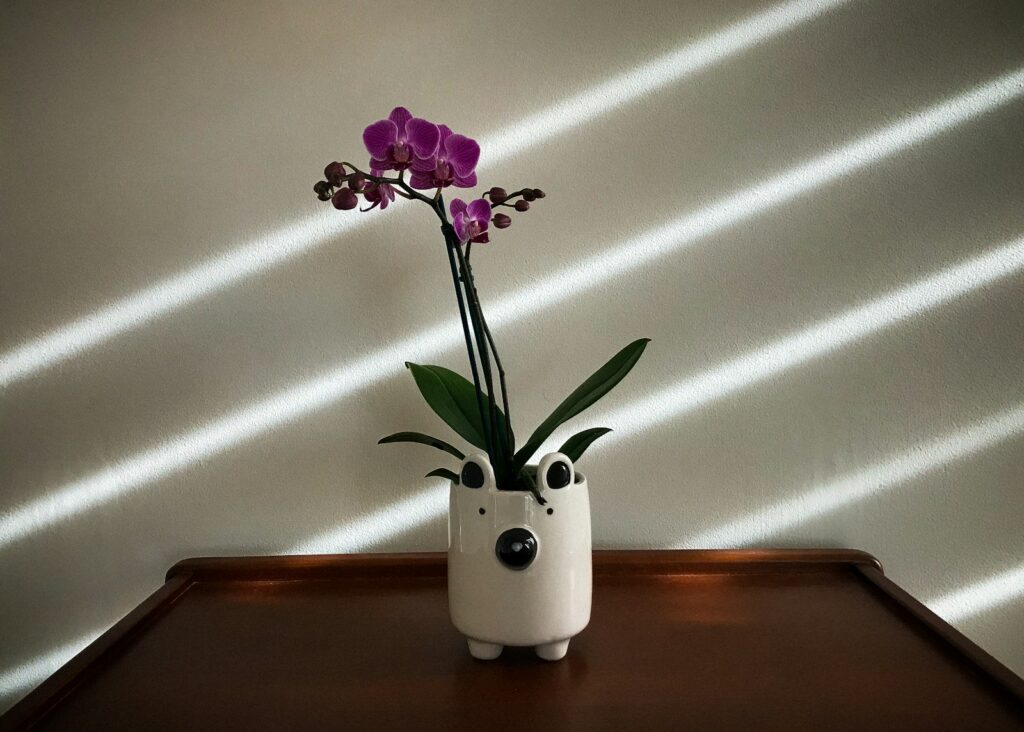
Phalaenopsis orchids, often called moth orchids, are the most popular indoor orchid in Australia, and for good reason. Their flowers can last for two to three months, they are happy in normal household conditions, and with the right care they will rebloom year after year. The catch? Most people love their orchid a little too much, usually with the watering can.
As a local, family-owned Brisbane orchid nursery that grows nothing but Phalaenopsis, we get asked how to look after orchids every single day. This guide brings together everything we tell our customers: where to put your orchid, how often to water it, how to feed it, and how to get it flowering again.
Phalaenopsis orchid care at a glance
- Light: bright, indirect light. No harsh direct sun.
- Water: when the bark is almost dry, roughly every 5 to7 days in a Brisbane summer and every 10 to14 days in winter.
- Temperature: 18 to30°C during the day, with nights ideally above 15°C.
- Humidity: moderate to high. Keep away from air-conditioning vents and heaters.
- Feeding: a weak orchid fertiliser every couple of weeks in spring and summer.
- Repotting: every 1 to2 years in fresh orchid bark, never regular potting soil.
1. Give your orchid the right light
In the wild, Phalaenopsis grow on tree trunks under a forest canopy, so they are used to dappled, filtered light. At home, an east-facing window that catches the gentle morning sun is ideal. A bright north-facing room also works well if the orchid sits a little back from the glass or behind a sheer curtain.
Avoid west-facing windows where the afternoon sun can scorch the leaves. Queensland sun through glass is surprisingly strong. Your orchid’s leaves are the best guide: a healthy plant has firm, medium olive-green leaves. Very dark green leaves usually mean it needs more light, while yellowish or reddish-tinged leaves suggest it is getting too much.
2. Water less often than you think
Overwatering is the number one reason orchids fail. Phalaenopsis roots need air as much as water, and roots that sit in soggy bark quickly rot. The golden rule is to water only when the potting bark is almost dry.
In Brisbane’s warm, humid months that is typically every five to seven days; in the cooler months it may stretch to every ten to fourteen days. The easiest test is to push a finger a couple of centimetres into the bark, or simply feel the weight of the pot. A dry pot is noticeably lighter.
- Water in the morning so any moisture on the leaves dries during the day.
- Run room-temperature water through the pot at the sink, then let it drain completely.
- Never leave the pot sitting in a saucer or decorative pot full of water.
- Keep water out of the crown (where the leaves meet). Standing water there can cause crown rot. If it happens, gently dab it dry with a paper towel.
Want the full detail? Read our dedicated orchid watering guide.
3. Keep temperature and humidity steady
Phalaenopsis are tropical plants, which makes South East Queensland a natural fit. They are most comfortable between 18°C and 30°C during the day, with nights ideally staying above 15°C. On cold winter nights, move your orchid away from windows, where temperatures can drop more than you’d expect.
Brisbane’s natural humidity is a big advantage, but air-conditioning dries the air quickly. Keep your orchid out of the direct path of air-con vents, fans and heaters. If your home is very dry, sit the pot on a tray of pebbles with a little water underneath. Just make sure the base of the pot sits above the waterline.
4. Feed lightly during the growing season
Orchids are light feeders. A balanced orchid fertiliser diluted to around half strength, applied every two weeks through spring and summer, is plenty. Ease off to once a month in winter. Every month or so, water with plain water only to flush out any built-up fertiliser salts. Find out more in our orchid fertilising guide.
5. What to do after your orchid finishes flowering
When the last flower drops, don’t throw your orchid out. It is simply resting. You have two options for the old flower spike:
- Trim above a node: cut the spike about 1 to2 cm above a node (the small bumps along the stem) below where the lowest flower was. This can encourage a smaller secondary spike.
- Cut it at the base: if the spike has turned brown or yellow, remove it entirely. This lets the plant put its energy into new leaves and roots, which usually means a stronger bloom next time.
Phalaenopsis are triggered to flower by a drop in night-time temperature of around 5 to8°C for a few weeks. Brisbane’s autumn and early winter do this naturally, which is why many orchids send up a new spike in the cooler months. Our reblooming guide walks through the process step by step.
6. Repot every one to two years
Over time, orchid bark breaks down and holds too much water. Repot every one to two years, ideally just after flowering, into fresh orchid bark in a pot with plenty of drainage. Never use ordinary potting mix or garden soil; it suffocates orchid roots. Silvery roots climbing out of the pot are perfectly normal and nothing to worry about. See our orchid repotting guide for a how-to.
Common Phalaenopsis problems and how to fix them
- One lower leaf turning yellow: usually natural ageing. Several yellow leaves at once usually points to overwatering.
- Limp, wrinkled leaves: the plant isn’t taking up water. Either it is too dry, or the roots have rotted. Check the roots: healthy ones are firm and green or silver; rotten ones are brown and mushy.
- Buds dropping before they open (bud blast): often caused by sudden temperature changes, cold drafts, moving the plant around, or sitting next to a fruit bowl, as ripening fruit releases ethylene gas.
- No new flowers: most often not enough light, or no cool-night temperature drop to trigger a spike.
How long do orchids last?
A Phalaenopsis in bloom will typically flower for two to three months, far longer than a bunch of cut flowers. The plant itself can live for many years, reflowering roughly once a year with the care above. Many of our customers have orchids that have rebloomed for years on the same windowsill.
Frequently asked questions
Should I use the ice cube method?
We don’t recommend it. Ice cubes deliver very little water and can chill the roots. A proper soak and full drain when the bark is nearly dry is far better for the plant.
Do I need to mist my orchid?
Generally not. In Brisbane’s climate, misting adds little humidity and water sitting on leaves or in the crown can encourage rot.
Are Phalaenopsis orchids safe around pets?
Yes. Phalaenopsis are listed as non-toxic to cats and dogs. Read our guide: are orchids toxic to cats and dogs?
Start with a healthy, locally grown orchid
Good orchid care starts with a healthy plant. Every Formosa orchid is grown and cared for in our Brisbane nursery before it reaches your home. Browse our white orchids, pink orchids and purple spotted orchids, or let our florists design a custom orchid arrangement for you.
How to care

Watering

Fertilising

Reblooming
